Step aside, bamboo! There’s a new champion of fast growth and breathtaking beauty in town—and it’s blooming like never before. Meet Paulownia, also known as the “imperial tree,” a dazzling all-rounder that’s winning the hearts of gardeners and ecological professionals alike. Curious why this purple-flowered marvel is becoming the talk of the turf? Strap in for a leafy adventure.
The Rise of a Rival: Paulownia Takes Center Stage
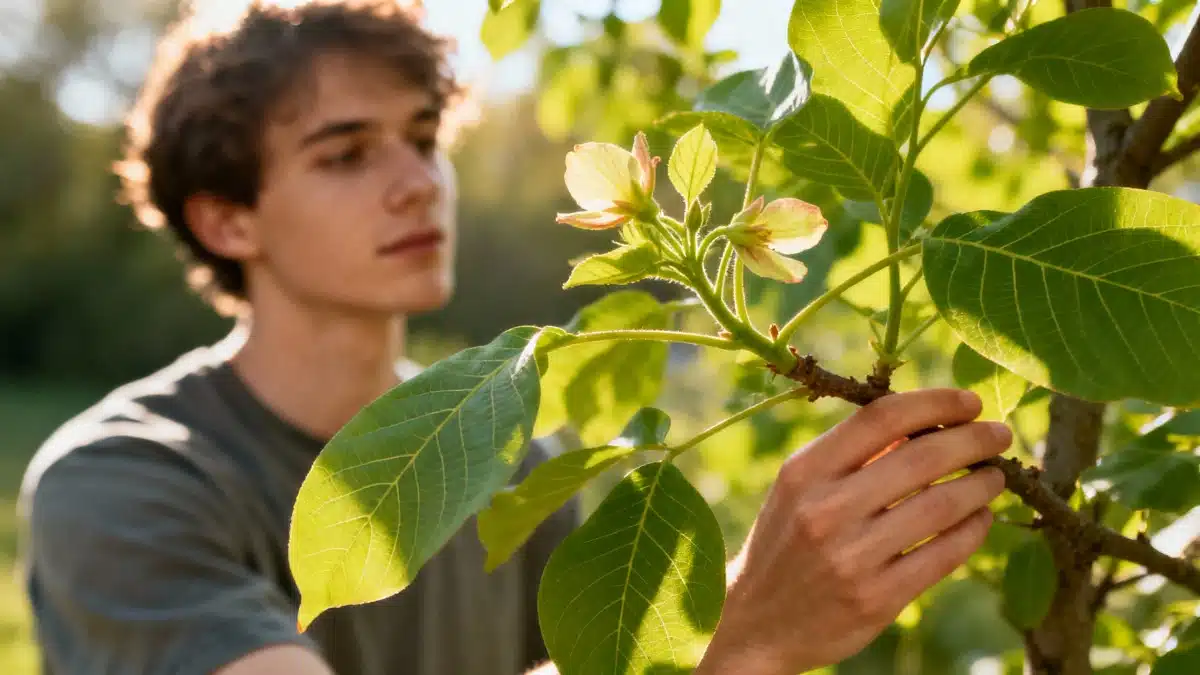
For ages, bamboo has reigned supreme as the undisputed star of rapidly growing plants. Its lightning speed (some varieties shooting up to a meter per day!) has inspired awe and made it a go-to for gardeners who lack the patience for slowpoke trees. But the Paulownia, hailing originally from China and introduced to Europe in the nineteenth century, has quietly begun stealing bamboo’s thunder. Imagine large, heart-shaped leaves waving in the breeze—and, when the moment is right, a spectacular bloom of mauve flowers perfuming the air with delicate sweetness. Paulownia isn’t just fast—it’s fabulous.
Beauty, Versatility, and a Green Heart
What’s turned heads—and garden plots—are the imperial tree’s unique combination of aesthetic appeal and ecological promise. In its native habitat, Paulownia is a multi-tasker: it stabilizes soil and casts tempting shade wherever it takes root. These talents have made it a darling of ecological projects, where versatility and beauty make for powerful partners. Nowadays, you’ll find it popping up in gardens and green schemes, chosen as much for its dazzling looks as for its practical benefits.
Paulownia performs best planted in full sun and well-drained soil, especially in its early years, when its growth is truly impressive. Its wood? Light yet strong—which means it’s a durable, sustainable alternative for reforestation and agroforestry endeavors. While bamboo is technically a grass, Paulownia is the real arboreal deal; its robust structure grants it advantages while keeping things eco-friendly.
Blooming Marvels and Bee Buzz
Where bamboo’s charm is all about its exotic silhouette and whispering leaves, Paulownia commands attention with blossoms that make hearts—and bees—flutter. Early each spring, its branches vanish beneath a cloud of bell-shaped purple flowers, putting on a show before the leaves even bother to show up for the season.
These nectar-rich blooms are a magnet for bees and pollinators, earning Paulownia a gold star among friends of biodiversity. For lovers of pollinator-friendly gardens, this tree is practically irresistible.
- Spectacular spring bloom
- Rich nectar draws pollinators
- Fragrant and visually stunning
Bamboo or Paulownia? Choosing Your Champion
Now, don’t worry, bamboo fans—there’s no rule saying you can’t love both. The choice depends on your needs:
- Bamboo: Perfect for dense hedges or compact planting projects, making it excellent where privacy or space efficiency is key.
- Paulownia: Ideal if you crave a fast-growing, environmentally respectful ornamental tree that’s sure to turn neighbors green—with envy, that is.
Both species have one superpower in common: they’re swift space transformers, turning bare spaces into vibrant green havens in record time. Yet Paulownia stands out with its world-class bloom, precious wood, and those giant, scene-stealing leaves that add instant drama to the garden stage.
Whether for an ornamental display, a sustainable forestry project, or a pollinator hotspot, Paulownia is quickly taking its place as the plant to beat. Its rapid growth, remarkable flowers, and positive ecological influence combine the best of beauty and utility, transforming outdoor spaces into genuine sanctuaries of peace.
So next time you’re drawn to the exotic sway of bamboo, give a little nod—the imperial tree is here, growing faster and blooming brighter than ever before. Ready to make your garden the envy of bees and humans alike? Paulownia might just be your new green superstar.

Based in New York, Josh is the creative mind behind Lanco Handmade Furniture.
Passionate about timeless design and fine craftsmanship, he transforms high-quality materials into pieces that are both functional and artful.
With a keen eye for detail and a love for natural textures, Josh creates furniture meant to bring warmth, character, and lasting beauty to any space.