
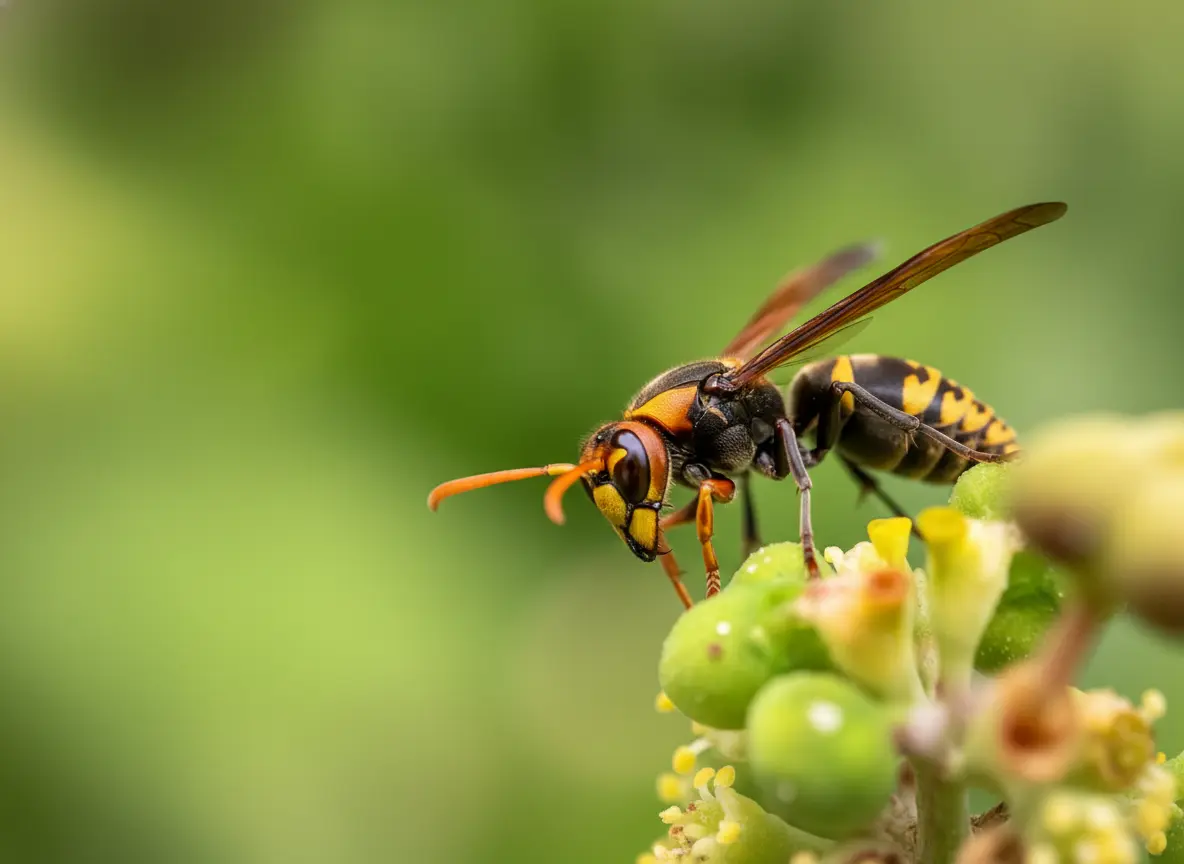
Picture this: a warm evening in late summer, you’re ready to enjoy your garden in peace—and suddenly, a buzzing horde of Asian hornets descends as if you’ve opened a five-star buffet just for them. Surprise! Some of your favorite garden plants are the main course. Should you clear them out? Not so fast. It’s time to find out which greenery acts as an open invitation to these unwanted guests, and what you can do to keep your peace, your fruit, and your sanity.
Why Hornets Love Certain Garden Plants
If you’ve ever spotted an Asian hornet circling your fig tree, you know the feeling. Some plants, especially certain fruit trees, are downright irresistible to these insects—like leaving cake unattended at a birthday party. Figs, pears, and persimmons (kaki), for example, provide a sugary feast that lures hornets in droves, particularly at the end of summer or into autumn. It’s not just a rumor: your garden can genuinely be a flying buffet for these unwelcome visitors.
- Figs: Especially in the south, fig trees offer a dessert too tempting to resist. Their sweet fruit can burst open in the sun or fall and ferment, creating a gourmet treat for hornets. Bonus: bees also adore figs, so predators get a full-course meal! The fix? A brisk harvest and quick cleanup can nip this explosive combination in the bud.
- Pears: Ripe or damaged, pears are sugar-rich magnets. Once they fall or split open, they become a hornet soft-serve. If they’re near paths or patios, trouble follows. Sometimes, all it takes is a gust of wind to trigger a hornet gathering. Keeping a watchful eye and picking pears promptly goes a long way.
- Persimmons (Kaki): Overripe fruit left on trees or the ground is a hornet trap, thanks to that sweet smell, soft pulp, and the magic of fermentation. If your kaki tree is next to a terrace or lounging spot, you’ve just set up the perfect ambush. Best to harvest early or, if you can, plant these trees farther from high-traffic zones.
- Plums: Fallen or split plums on the ground are like a tray of fermented pastries just for hornets. Plum trees also attract all sorts of insects, which hornets love to munch on. A tidy orchard—regular fruit collection and good maintenance—can drastically reduce hornet activity.
- Grapes: By late summer, grapes are a sugary snack. Hornets and wasps flock to split or neglected grape bunches, and once they find the party, they’ll be back for more. For decorative vines, opt for non-fruiting varieties or at least pick grapes before hornets do.
Other Plants: Unexpected Hornet Magnets
It’s not just fruit trees that draw in the hornets. Some less obvious garden stars are every bit as attractive—and just as risky.
- Ivy: When ivy is in bloom during autumn, it’s a nectar goldmine. As other plants stop producing, ivy keeps serving sweets, attracting bees, butterflies, and, inevitably, hornets on the prowl. Fewer ivy flowers mean fewer hornet visitors. For extra help, some gardeners turn to natural hornet repellents.
- Buddleia: With its big scented blooms, buddleia is famous for attracting butterflies. But it doesn’t discriminate—hornets drop by too, and not for the flowers. They’re hunting, taking advantage of the long bloom to stake out a hunting ground. If it becomes problematic, consider swapping it for a less attractive plant.
- Japanese Loquat (Nespoli): Less well-known but equally alluring, this tree blooms late, offering a final nectar fix as winter nears. Hornets take full advantage, and this late-winter feast becomes a stronghold until cold sets in. Reducing its size or its flowering helps. Some gardeners even eliminate hornet nests before queens escape at the end of the season.
Practical Steps to Deter Hornets—Without Sacrificing Your Garden
So, should you rip out your favorite trees? Not necessary—unless you really hate fruit. The real trick is smart management:
- Pick fruit as soon as it’s ripe.
- Clean up fallen fruit quickly—don’t make the hornets an all-you-can-eat offer.
- Prune late-flowering plants regularly.
- Keep a lookout for cozy places where hornets might set up nests.
Changing your plant choices isn’t the only solution. Sometimes, if things get out of hand, bringing in a professional to deal with hornet nests might be the right move.
Balancing Beauty and Safety in the Garden
Remember, your garden is a living space—for you, your loved ones, and the many-legged locals. The goal isn’t to go full scorched earth, but to manage your slice of paradise thoughtfully. By avoiding (or managing) key attractor plants and staying on top of maintenance, you can send the hornets packing without harming the bee population. And that’s the win-win—enjoy your garden, minus the uninvited roommates.

Based in New York, Josh is the creative mind behind Lanco Handmade Furniture.
Passionate about timeless design and fine craftsmanship, he transforms high-quality materials into pieces that are both functional and artful.
With a keen eye for detail and a love for natural textures, Josh creates furniture meant to bring warmth, character, and lasting beauty to any space.