If you thought all old taverns keep their secrets safely tucked away under dusty floorboards, think again. The story unfolding beneath southwestern Ohio’s Overfield Tavern Museum proves that history doesn’t just whisper – sometimes it erupts from the ashes, leaving us genuinely speechless.
A Fire That Sparked (Literally) an Archaeological Treasure Hunt
On December 7, 2024, a fire tore through the Overfield Tavern Museum in Troy, Ohio, razing parts of the beloved local institution and destroying multiple historical items in its collection. While the resilient log walls of this over 200-year-old tavern—built by Benjamin and Margaret Overfield in 1808—stayed standing, the flames consumed much from the 19th-century collection housed within.
But sometimes, fortune wears the guise of misfortune. The aftermath of the fire posed a clear obstacle: all the old wooden flooring, already bearing the weight of centuries, needed to be removed entirely for restoration. For the dedicated museum board and staff, this wasn’t just construction—this was a golden opportunity to dig into the past. Quite literally.
Digging Deep: Ten Days, Thousands of Artifacts
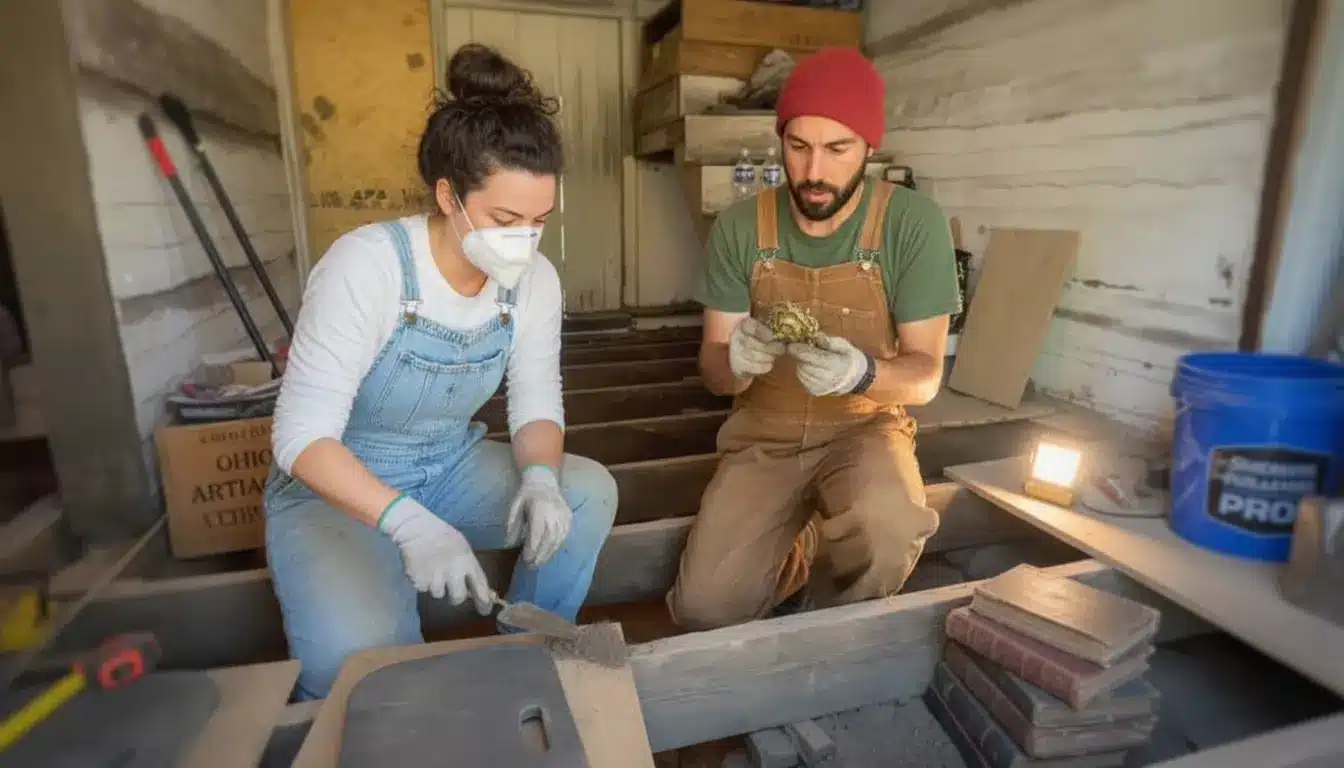
Under the watchful eye of Executive Director M. Chris Manning, a ten-day archaeological dig unfurled beneath and around the tavern in early December. A crack team of six archaeologists set to work, focusing especially on the space under three rooms’ floorboards. To maximize their effort (and avoid digging holes like a band of well-meaning but misplaced moles), the team also used ground penetrating radar in the backyard, pinpointing buried anomalies—one of which matched an old masonry outbuilding noted on historical maps. Into the ground they went.
The effort paid off in spades. According to Manning, “Thousands of artifacts were recovered and are currently being washed, cataloged, and studied by the archaeologists in preparation for a report of investigations.” Yes, you read that right: thousands.
Finders, Keepers (of History): Coins, Bones, and French Gunflint
Among the notable treasures uncovered, a humble but enthralling silver 50-cent piece from 1817 emerged from the shadows. Manning suggests it “may have been used to purchase a beverage or meal at the tavern when it was in operation.” Anyone else picturing a hungry patron paying for their pork dinner with that very coin?
The excavation revealed that pork dinners weren’t mere speculation. Manning reports the dig yielded “large amounts of animal bones, particularly pig and fish, which reflects the diet of the early occupants.” It turns out the Overfields themselves owned 78 hogs in 1810—some likely butchered on site, as evidenced by discovered pig jaw bones. Who knew archaeology could be so… meaty?
Further highlights from the dig included:
- A fragment of a decorated smoking pipe, perhaps once enjoyed by a patron savoring a brief respite
- Clay marbles—proof children’s games (and maybe a few adults’) haven’t changed much
- Buttons crafted from bone, glass, metal, and shell, along with straight pins used to fasten clothing
- A delicate finger ring and what appears to be a French gunflint (for a little Napoleonic flair)
- Broken ceramics spanning redware, hand-painted pearlware, and transfer-printed whiteware
- Two broken prehistoric projectile points, known commonly as arrowheads
The discovery of Native American artifacts deepens the story—reminding us that the land beneath the tavern has been witness to centuries of ordinary lives and extraordinary stories.
Looking Ahead: Rebuilding, Restoring, and Reconnecting
With so much unearthed (and washed—spare a thought for the tireless artifact cleaning crew), Overfield Tavern Museum’s collection can be replenished. Restoration efforts are now being guided by an architect skilled in historic log structures. Bringing the tavern back to its former glory, and perhaps surpassing it, will come with a hefty price tag—about $1 million, according to the latest estimates.
Despite the devastation, hope is very much alive. “We hope to reopen the fully restored museum in late 2027,” says Manning. “Despite the devastation of the fire and the loss of invaluable museum objects, we are excited about the future and the opportunity we have to tell the story of Troy’s original gathering place even better than before.”
As the ashes give way to artifacts and the tavern rises for a new chapter, one thing is clear: digging a little deeper—literally and figuratively—can help all of us rediscover the stories hidden right under our feet. So, if you ever find yourself in Troy, Ohio in 2027, don’t just stop for a drink—ask what’s beneath the floorboards, and you might just walk away speechless, too.

Based in New York, Josh is the creative mind behind Lanco Handmade Furniture.
Passionate about timeless design and fine craftsmanship, he transforms high-quality materials into pieces that are both functional and artful.
With a keen eye for detail and a love for natural textures, Josh creates furniture meant to bring warmth, character, and lasting beauty to any space.