Before you toss that rake aside and banish those crunchy leaves to garden waste bags, hold on just a minute! What if I told you that the mess on your lawn is actually an ecological treasure trove—one that could transform your garden for the better? Stick with me, fellow nature lover, as we reveal why you should never, ever throw away those fallen leaves in your garden.
The Secret Nutrient Power in Fallen Leaves
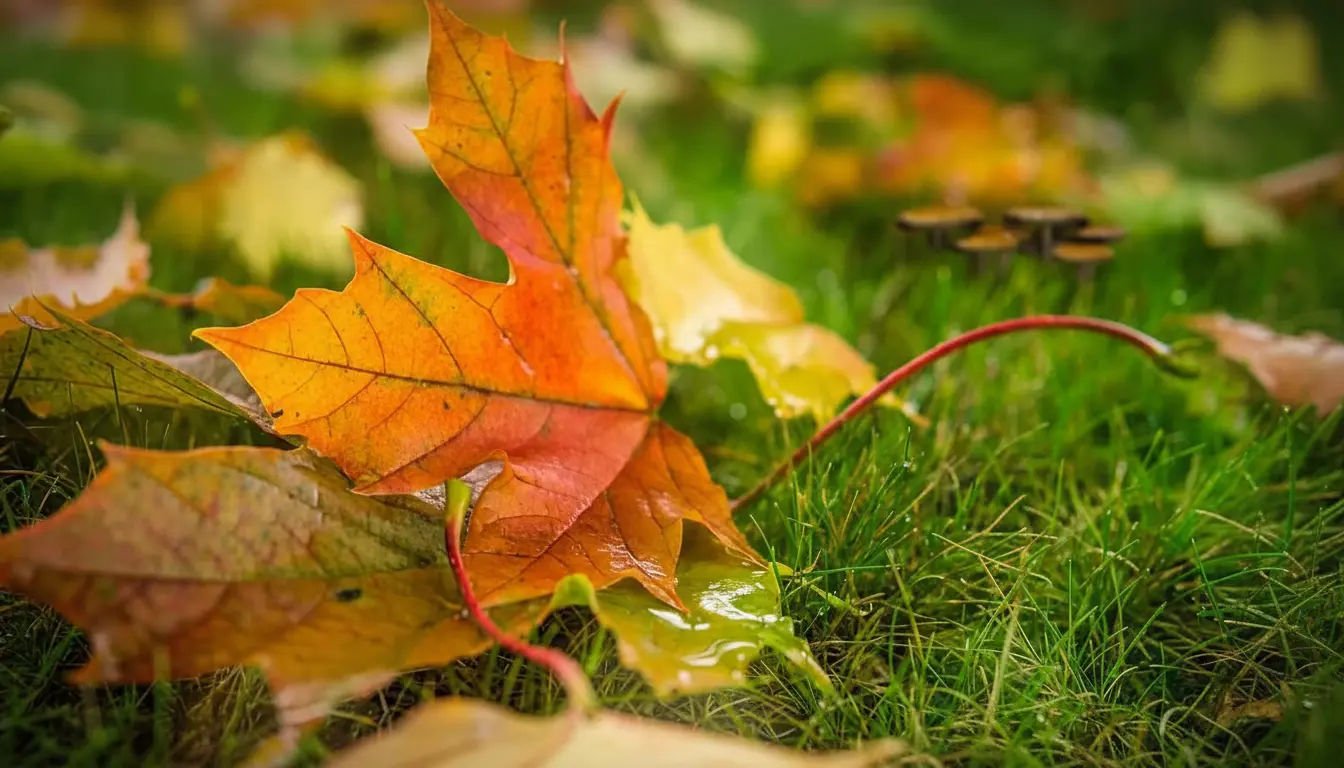
Expert advice might surprise you this time of year: let those fallen leaves stay put on your lawn. You see, removing them robs your grass of a buffet of essential nutrients. Leaves bursting with nitrogen, carbon, phosphorus, and potassium are the ultimate gift from your trees—an all-natural fertilizer that’s perfect not only for your lawn but for the tiny critters sharing your garden, too. Why spend big bucks on store-bought fertilizer when Mother Nature literally drops it at your doorstep?
How to Make the Most of Your Leafy Windfall
Now, before your garden turns into an autumnal Everest, there’s a method to this mulch madness. Instead of letting a thick, soggy mat of leaves smother your lawn, go for a thin layer. Even better—give those leaves a run-in with your lawnmower. Chopping them up helps them break down faster, sending their precious nutrients quickly back into the soil. Think of it as blending a green smoothie, but for your grass!
- Let a thin layer of leaves stay on your lawn.
- Use a mower to chop them up for faster decomposition.
A Haven for Garden Wildlife
It’s not just your plants that will thank you. When you leave those leaves be, you also create a cozy habitat for garden wildlife. Moist leaf piles are a heaven for invertebrates like spiders and worms. These mini-beasts enjoy their newfound shelter, and in turn, they become dinner for the next level up on the food chain, including bats and birds. So by keeping leaves in your garden, you’re running a five-star eco-hotel!
Pollinators, especially bees, benefit from these leaf piles, helping support vital insect populations. And here’s an extra bonus: all of this helps reduce waste in your household. Less hauling away of garden waste means more time to enjoy your garden—and maybe share a wink with a worm or two.
Tapping into the Forest’s Wisdom
Nature gets this right every time. Melissa Hopkins, from the National Audubon Society, points out that leaves in the forest provide around 50 to 80 percent of the nutrients that trees receive. Who ever heard of someone clearing leaves out of the forest? Exactly—no one.
Leaves don’t just feed the trees. They help regulate soil moisture and protect precious hydration levels, acting like a lush, self-renewing blanket of gold for your garden’s ecosystem. Over time, this natural mulch holds weeds in check and fertilizes the soil, all while you sit back and wonder why you ever bothered buying mulch in the first place. Gardening on a budget? You’re already winning.
So, next time your inner neat freak tells you to bag up those fallen leaves, remember the magic they hold. Leaving them on your garden isn’t laziness—it’s wisdom, passed down by nature, and maybe even by passionate parents who loved the outdoors. Whether you’re hoping to pass the joy of nature to your kids or just revel in the feeling of doing good for your patch of Earth, letting leaves lie is a practice worth sharing.
So go ahead—swap your rake for a lawnmower, grab a cup of something warm, and enjoy the thought that, for once, doing less really gives you (and nature) a whole lot more.

Based in New York, Josh is the creative mind behind Lanco Handmade Furniture.
Passionate about timeless design and fine craftsmanship, he transforms high-quality materials into pieces that are both functional and artful.
With a keen eye for detail and a love for natural textures, Josh creates furniture meant to bring warmth, character, and lasting beauty to any space.